Roman and early Christian
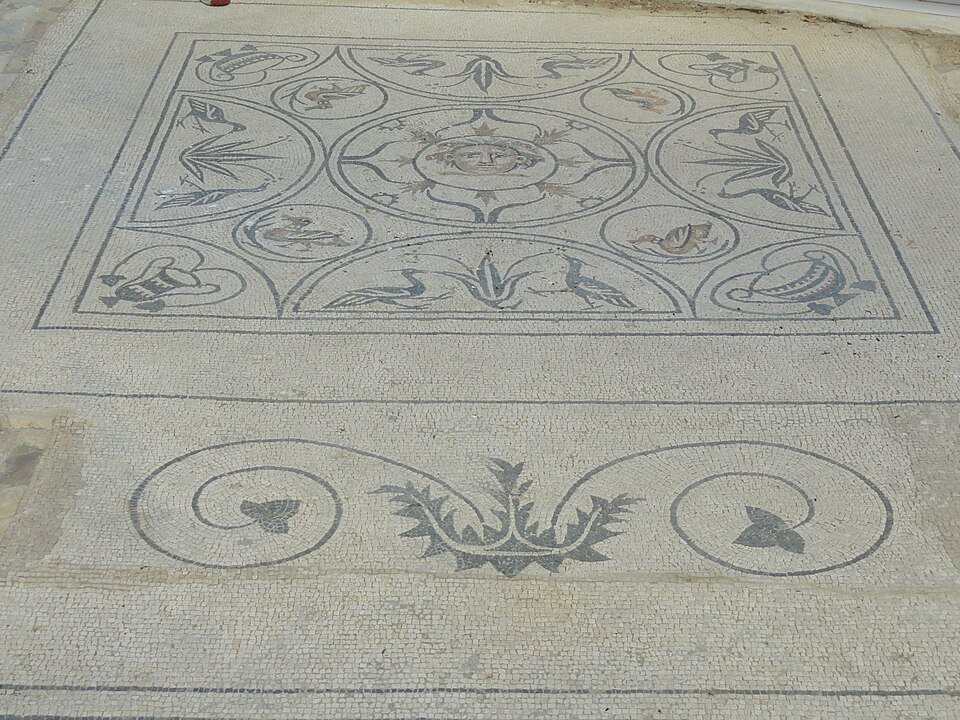
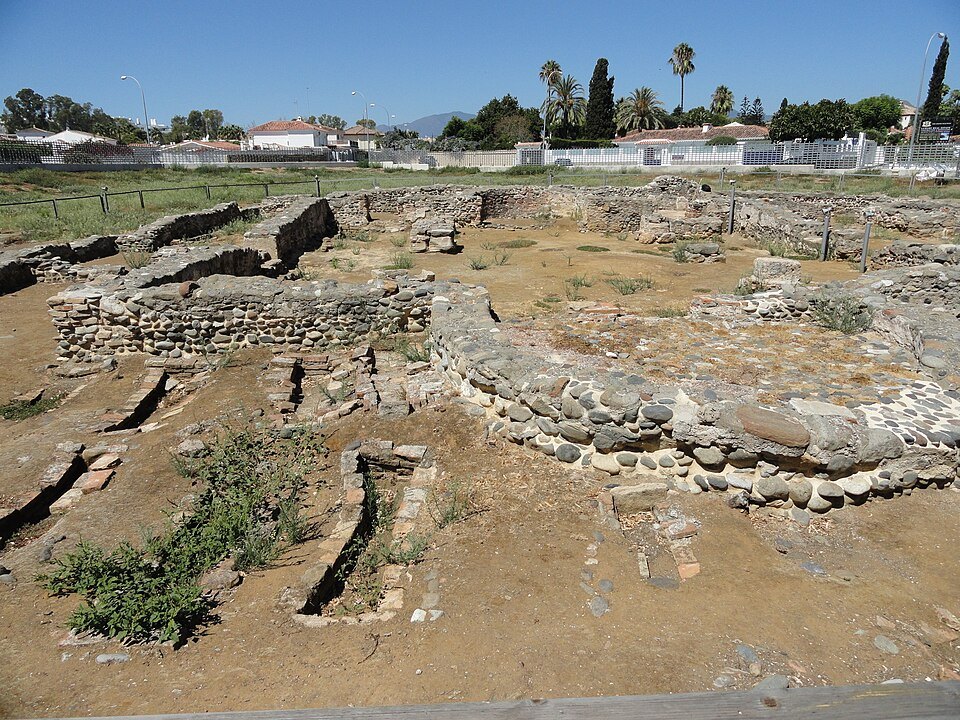
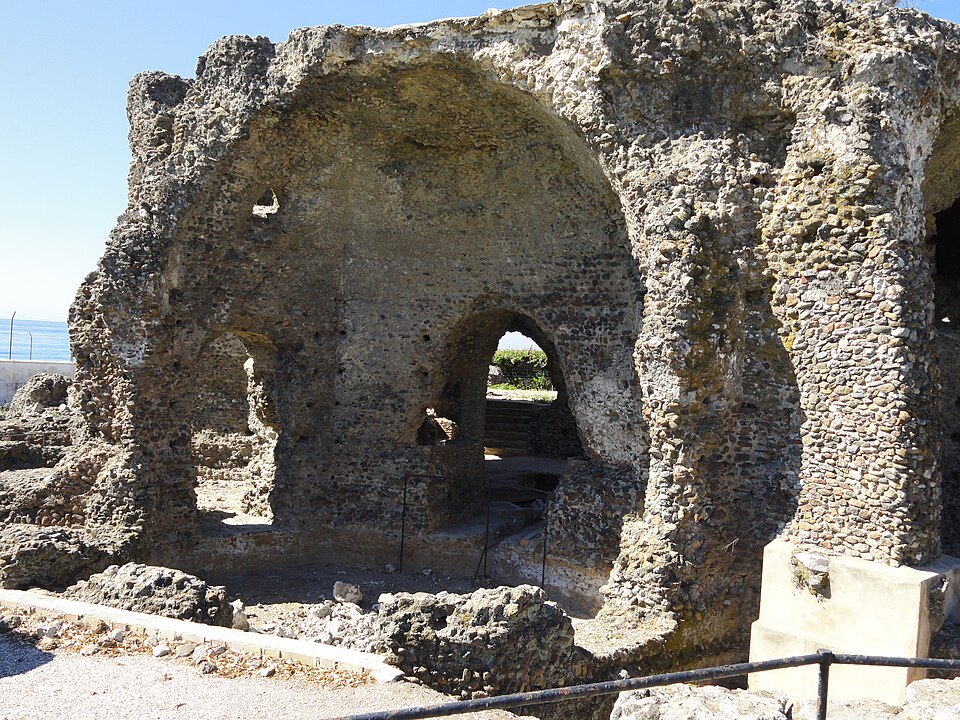
This coast lived off the sea in Roman times. The villa at Río Verde was paid for by salted fish, and the baths at Las Bóvedas stood beside the tanks where it was made — possibly at Cilniana, a road station on the Roman itinerary. The church at Vega del Mar was rebuilt in the 6th century on a Christian basilica of the 4th.
Moorish and Castilian
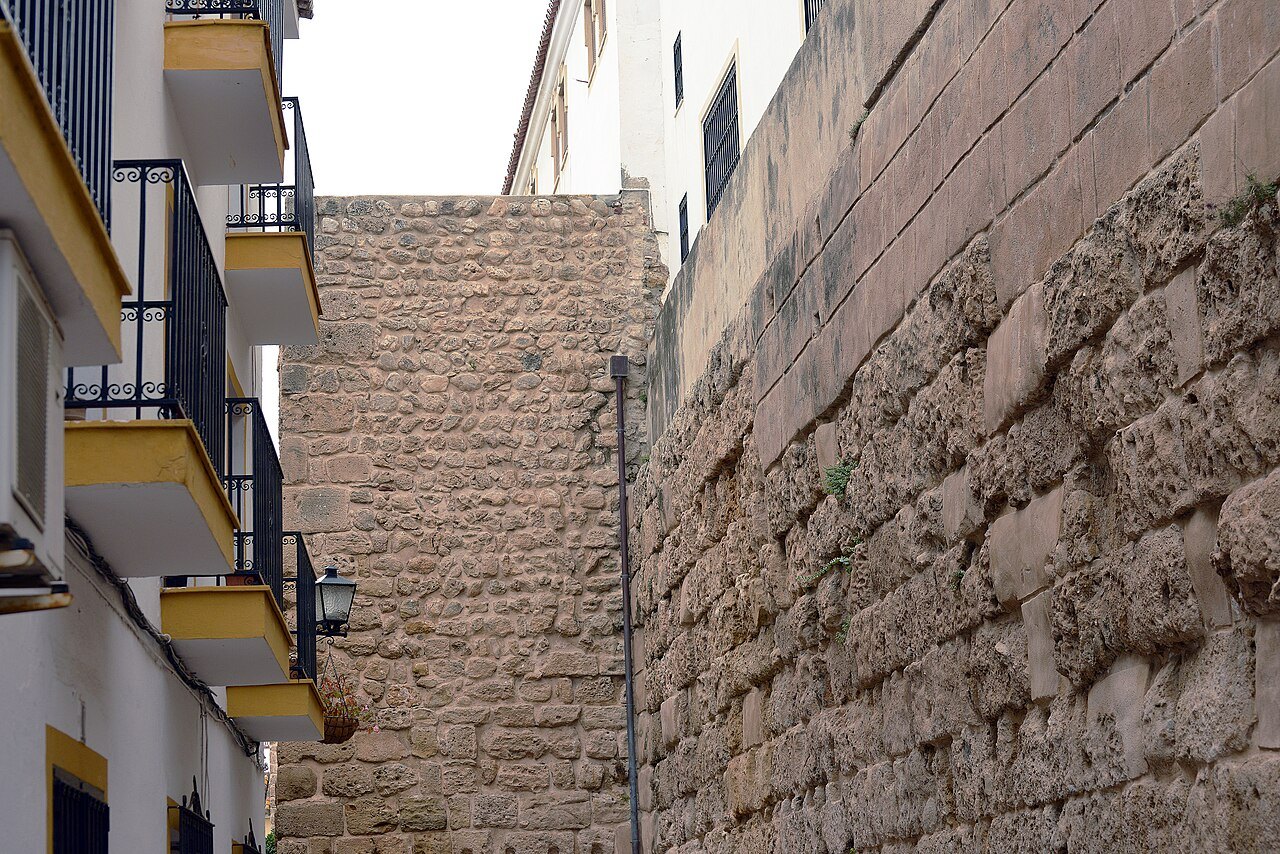
The castle took its medieval form in the 10th century, and the walled town below it stayed Muslim until it surrendered to Ferdinand of Aragon on 11 June 1485. Castile cleared the lanes for the Plaza de los Naranjos that same year and turned the main mosque into the church of the Encarnación.
Sugar and iron
⭐ In the 19th century Marbella was, for a time, one of the first places in Spain to smelt iron on an industrial scale, with ore from the hills behind the town. Sugar cane grew on the coastal plain — the Cortijo de Miraflores had its own mill from 1706, and San Pedro Alcántara was founded as a sugar colony in 1860.
Then the resort
In the 1950s Prince Alfonso de Hohenlohe turned his family's house on the coast into the Marbella Club Hotel, and the Golden Mile followed. Puerto Banús opened in 1970. ⭐ The resort grew along the coast rather than over the old town — which is why the old town is still there.