What it is
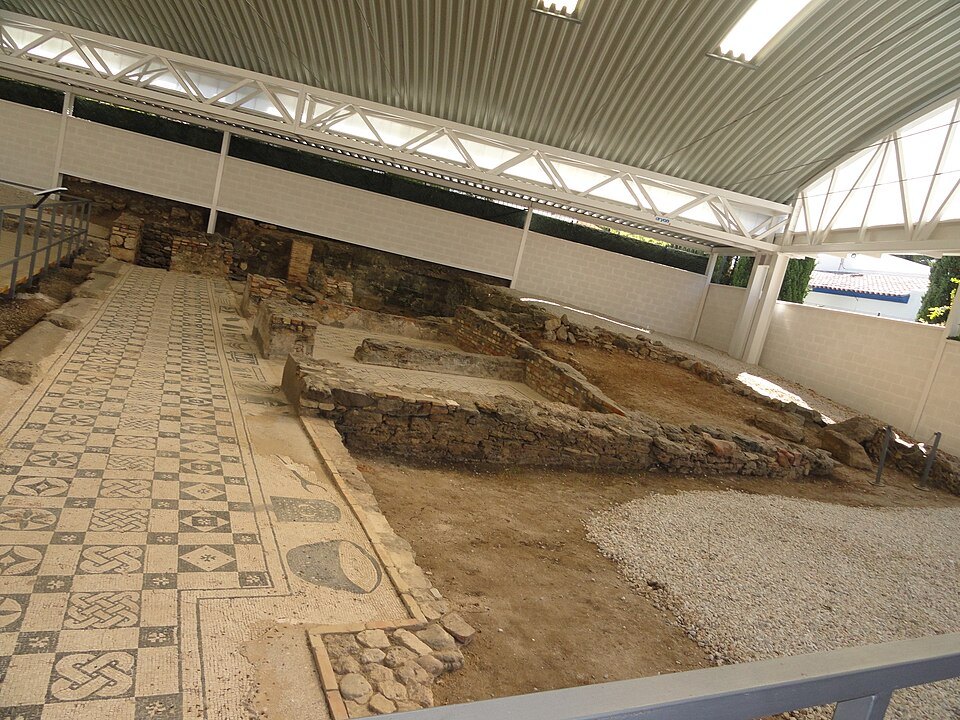
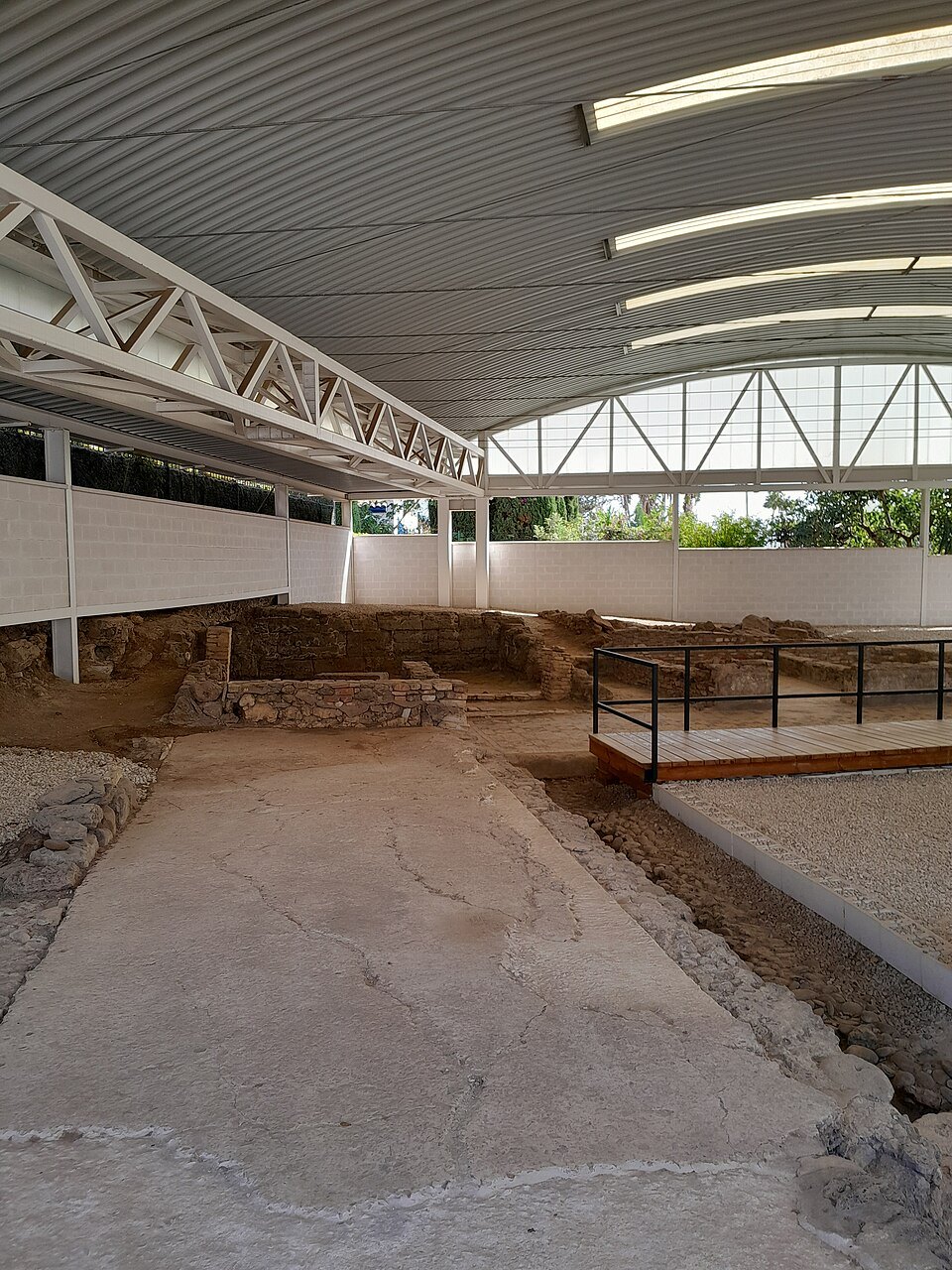
At the mouth of the Río Verde, west of the center, are the remains of the living quarters of a wealthy Roman villa. Its working half made its money from the sea — salting fish, a lucrative trade all along this coast in Roman times.
The mosaics
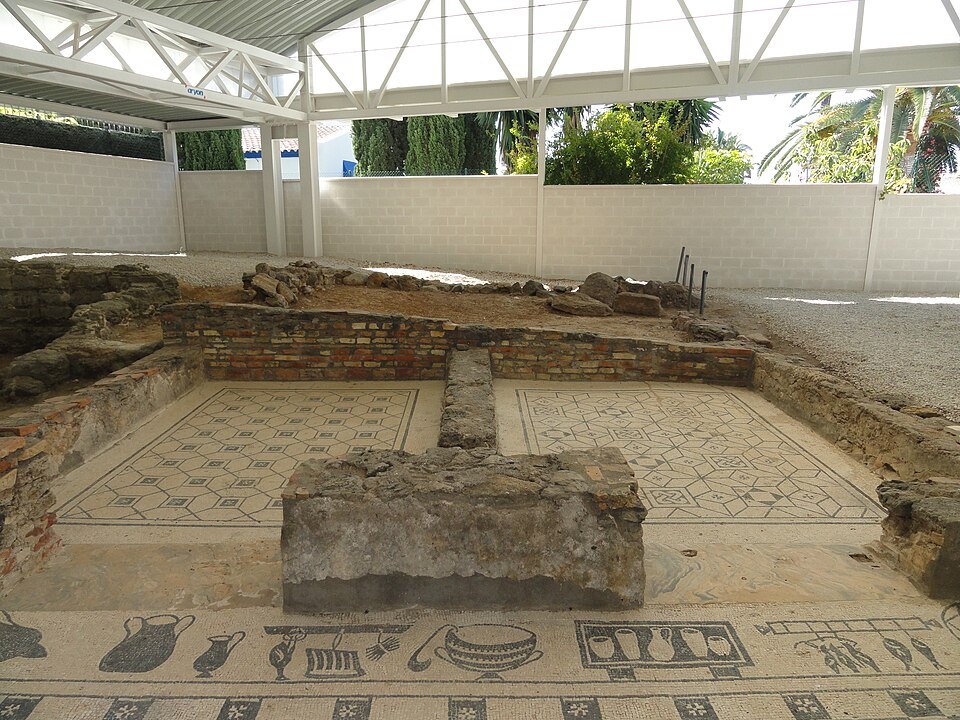
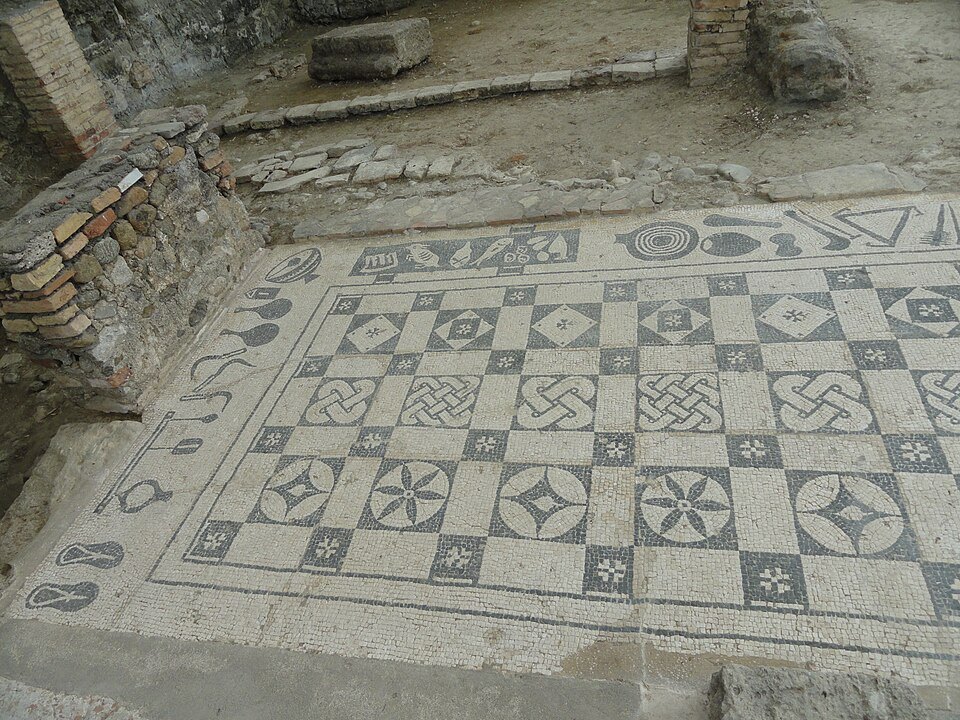
⭐ The reason to come is the floor. The villa's black-and-white mosaics include the one known as the culinary mosaic, decorated with kitchen utensils and food — an unusually domestic subject for a Roman floor, and a direct record of the trade that paid for the house.
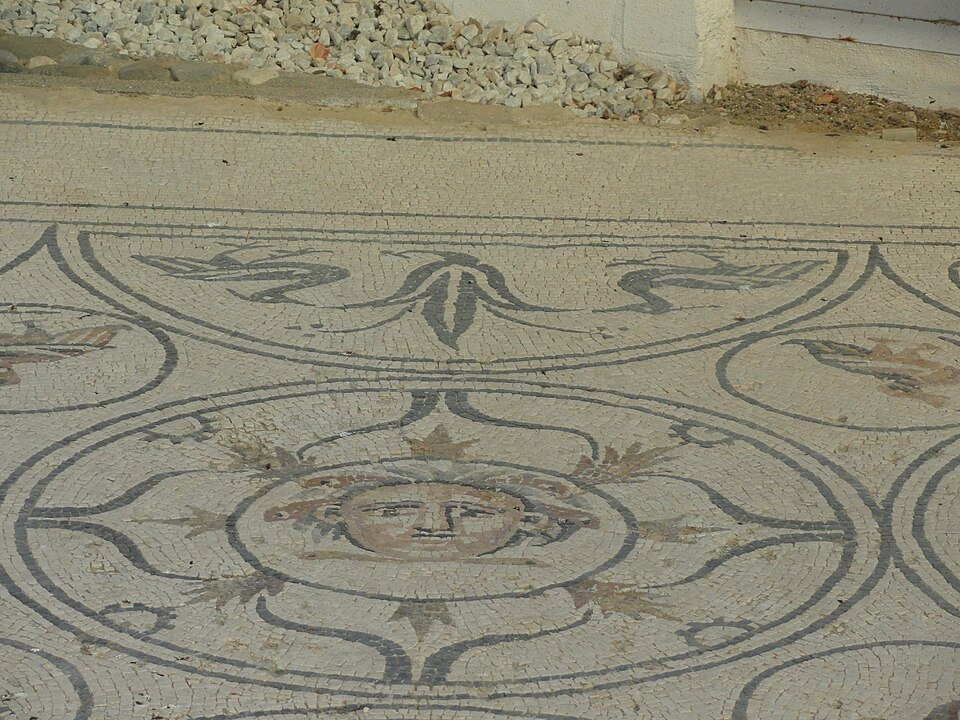
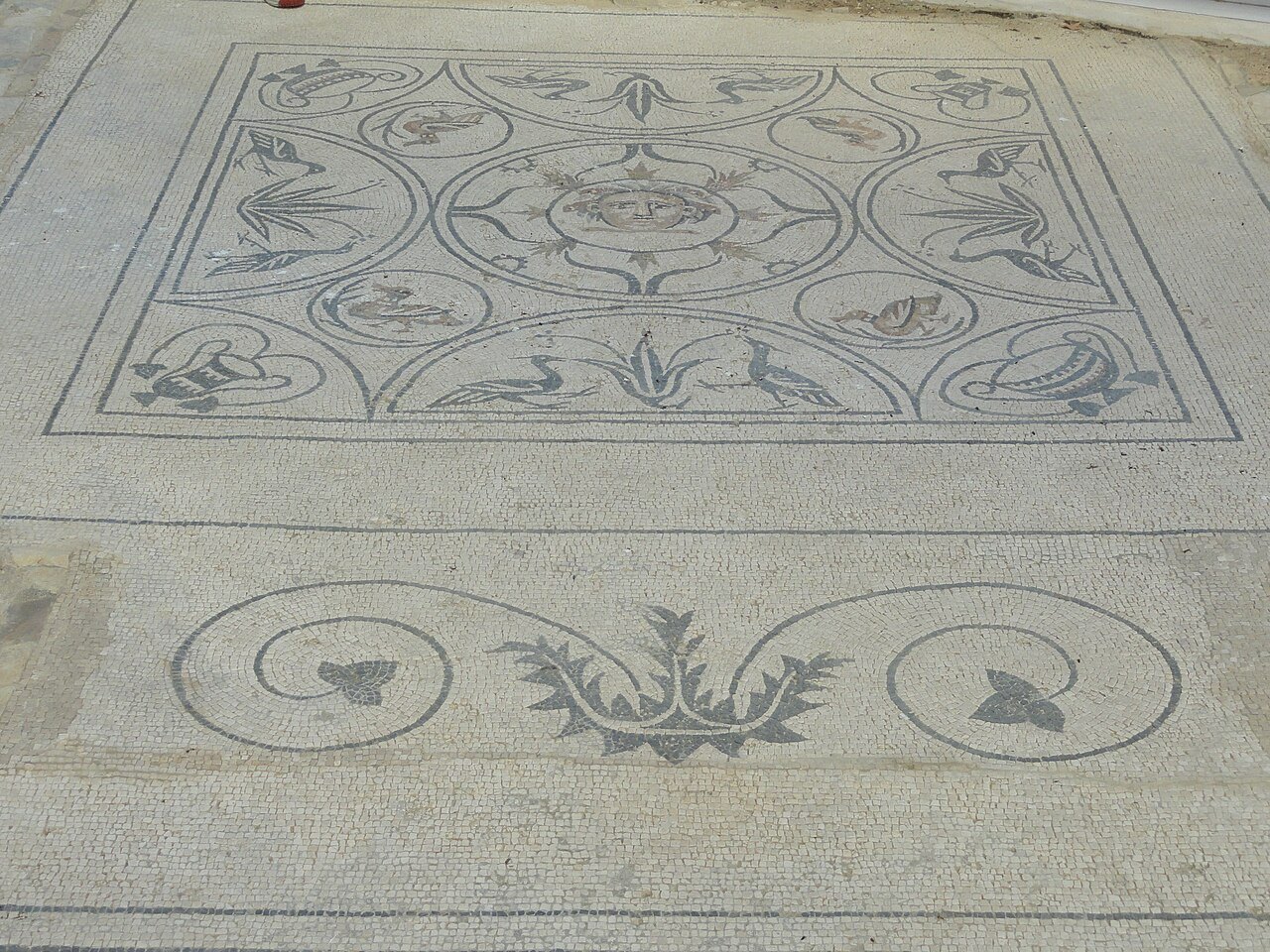
At the center of another is a head of Medusa, the gorgoneion that Roman owners set into floors to ward off harm. ⚠️ The original head was hacked out by looters in January 2016; what you see now is a 2017 reconstruction in lime mortar, made from the photographs and drawings of the original.
Getting it right
⚠️ The site is small and sits among modern houses. Visits are by arrangement — check with the tourist office before you go, rather than turning up.
It pairs naturally with the other Roman and late-antique sites to the west, Las Bóvedas and Vega del Mar.
Discovery and dates
The villa stands on a settlement of Punic origin. It was found at the start of the 1960s by Carlos Posac Mon, an archaeologist and professor of Greek, and Fernando Alcalá Marín, a lawyer, the official chronicler of Marbella and at the time the local delegate for archaeological excavations. Its discoverers dated its heyday to the first and early second centuries AD; later researchers have placed it in the middle of the second century and the beginning of the third.
Some time in the second century a great fire partly destroyed the house. The owners rebuilt the damaged rooms and laid new floors, which is why the mosaics you see belong to a second phase, with the first probably a century earlier. The coins found on the site point to the fourth century as the end of its working life. The heritage record links its decline to the tsunami of 365 and the collapse of Roman life that followed, and the villa was finally abandoned in the early Middle Ages.
Around the courtyard
What has been excavated is the center of the living quarters: an inner courtyard framed by about twelve columns, which lit the rooms around it and would normally have been planted as a garden. One of its short sides was taken up by a fountain, a rectangular nymphaeum on at least two levels faced with colored marble. Six rooms open around it, decorated with mosaics. The town council bought the 698-square-meter plot to save it, but the rest of the house lies under the detached homes that surround it, so only part of it can ever be seen.
The floors one by one
The corridor has a geometric floor of squares of two sizes joined at their corners. Room C has a black and white pattern of interlocking octagons around a square with a small flower, and Room D a design of eight-pointed stars with Solomon's knots. Room A holds the colored Medusa, surrounded by black and white geometry, and apart from it nearly all the tesserae are black or white.
The culinary mosaic is the one specialists have written about most. Kitchen tools of the Roman period and many kinds of food, plant and animal, follow one after another along a long band like a sample sheet, which has earned it the label of a unicum. The heritage institute notes that the way they are drawn puts the artist closer to modern artists than to those of his own time.
Salt fish and purple dye
The working half of the villa has not been found, but it must have lived from the sea: a factory for fish sauces, garum, and very probably a workshop for purple dye, since murex shells, the source of that costly color, turn up in abundance. Green glazed pottery from the eastern Mediterranean, fine-walled ware, terra sigillata and Campanian pottery show the trade that made coastal villas like this one richer than those inland. The excavators also found marble slabs, glass, lamps, nails, needles for mending nets and 21 coins, two Punic, seventeen Roman and two Spanish, along with part of a white marble statue of a naked Eros from the end of the second century.
The Medusa, lost and restored
In January 2016 the Medusa head, the symbol of the site, was cut out of the floor, crudely and probably with a chisel, leaving a large hole in the middle of the mosaic. The town council decided to restore the reading of the floor, and in 2017 restorers filled the gap with a single block of lime mortar on a glass-fiber mesh, so the work can be reversed. They traced the outline of every lost tessera onto it from a full-size drawing, then colored it with natural pigments in a way that lets you tell the original stone from the reconstruction.
Sources
- Villa romana del Río Verde — IAPH, Guía Digital del Patrimonio Cultural de Andalucía
- Conservación y restauración del mosaico de Medusa — Anuario Arqueológico de Andalucía 2017 (Junta de Andalucía)
- Villa romana de Río Verde — Wikipedia (es)