What it is
When the town passed to Ferdinand of Aragon on June 11, 1485, its mosques were consecrated as churches, as happened across every town the Catholic Monarchs took. The main mosque — almost certainly on this site — was dedicated to the Incarnation, a devotion the monarchs held particularly dear.
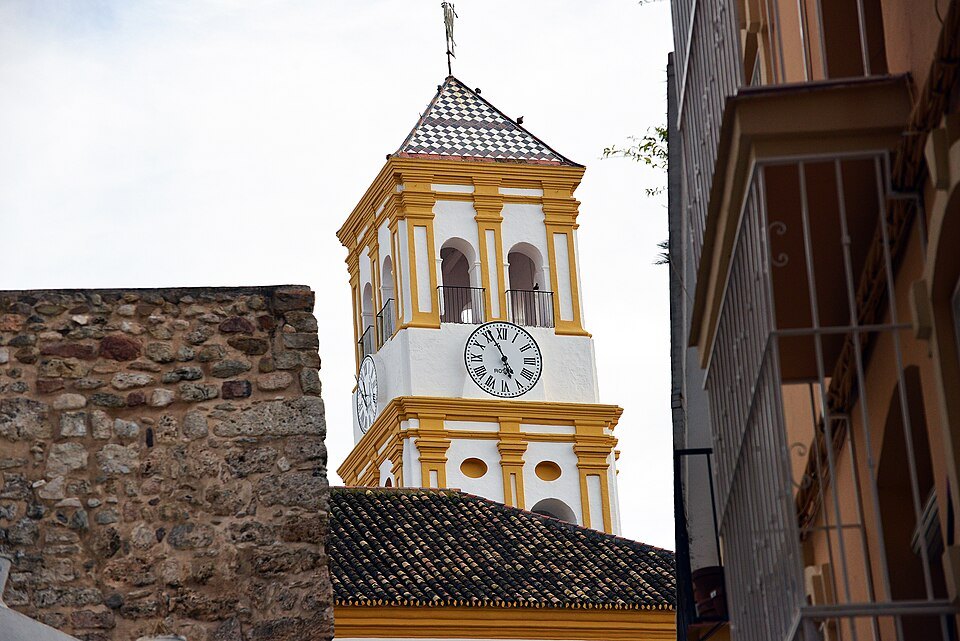
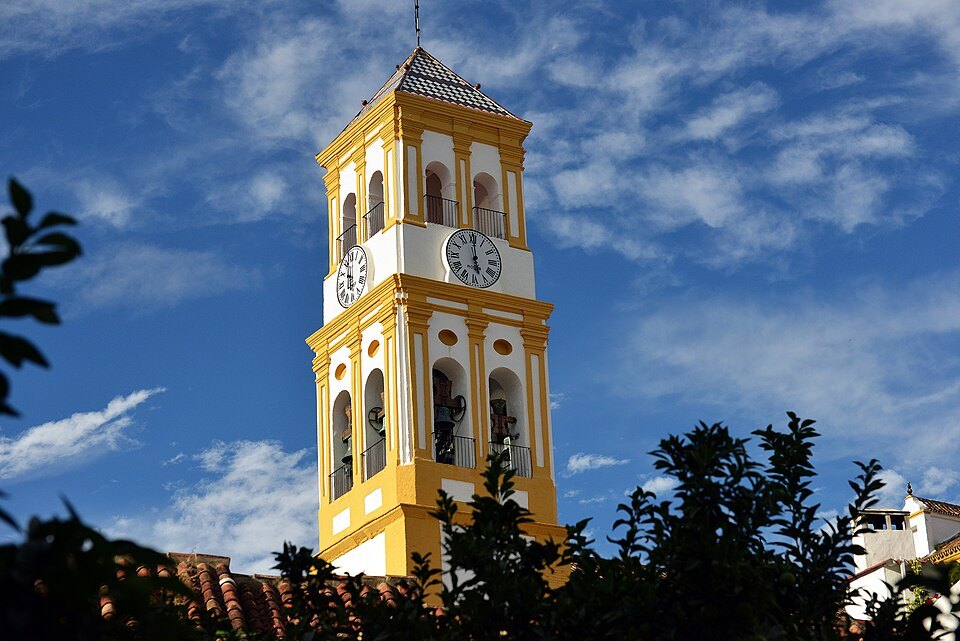
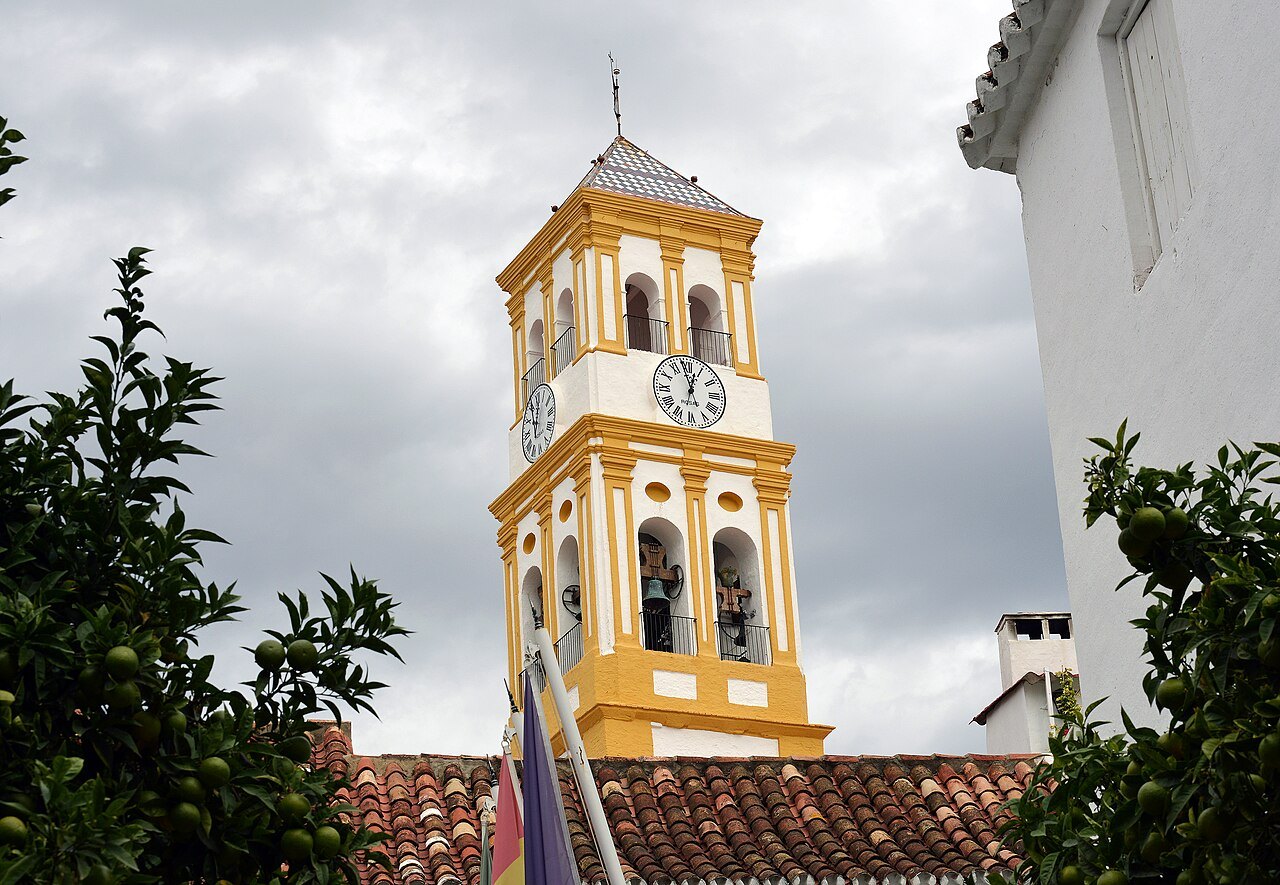
It was formally established as a parish in 1505, and the bell tower was raised in 1618. What stands now is the product of rebuilding over the centuries that followed.
What to look at
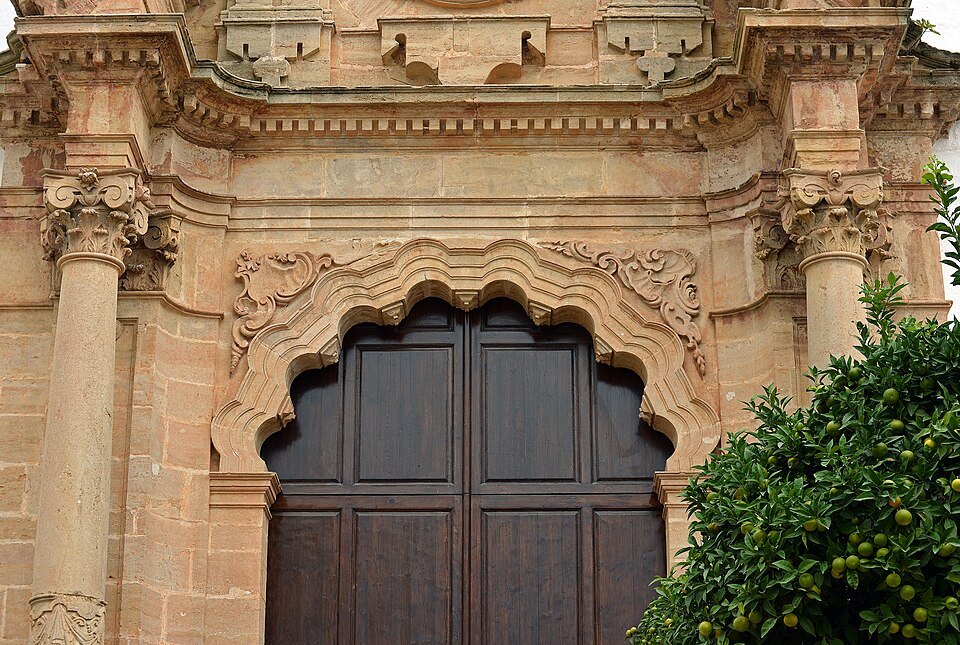
⭐ The stone doorway on the Plaza de la Iglesia is the part everyone photographs, and rightly: it is the most elaborate carved front in the old town, and the small square in front of it gives you the distance to see it whole.
Inside, the building is larger than the lanes around it suggest — an unexpected volume after the tight streets outside.
Getting it right
⚠️ This is a working parish church. Services take priority over visitors, and shoulders and knees should be covered.
The stretch of castle wall beside the square is worth the minute it takes, and the Plaza de los Naranjos is round the corner.
From mosque to parish
The surrender of 1485 came, as the Spanish account puts it, after a bloodless battle of letters. The new church was canonically established in 1505 by Diego Deza, Archbishop of Seville, and on January 5, 1510 it became the head of an episcopal vicariate under the division made by Diego Ramírez de Haro, Bishop of Málaga. In 1594 Juan Repullo made it an altarpiece, commissioned by Bishop Luis García de Haro.
The tower followed in 1618, raised by Bishop Luis Fernández de Córdoba, perhaps by enlarging the minaret of the old mosque, perhaps from scratch. A stone with his coat of arms, now on the facade facing the Plaza de la Iglesia, records it in Latin: the bishop whom Córdoba bore and gave to Málaga built this work for the heights in the year 1618.
The church you see
Despite repairs, including a new roof and floor in 1720, the old building was in poor shape and too small, and work on a new church began between 1750 and 1755 under Bishop Juan de Eulate y Santa Cruz. The stonemason José Gómez carved the main doorway in the mid-1750s, probably to a design by Antonio Ramos, from the same quarry that supplied the rest of the building; the quarry now survives only as the name of the housing estate built on top of it. The carpenters Pedro del Castillo and Salvador Gálvez also worked on it. The building was finished by 1762 and consecrated in 1767.
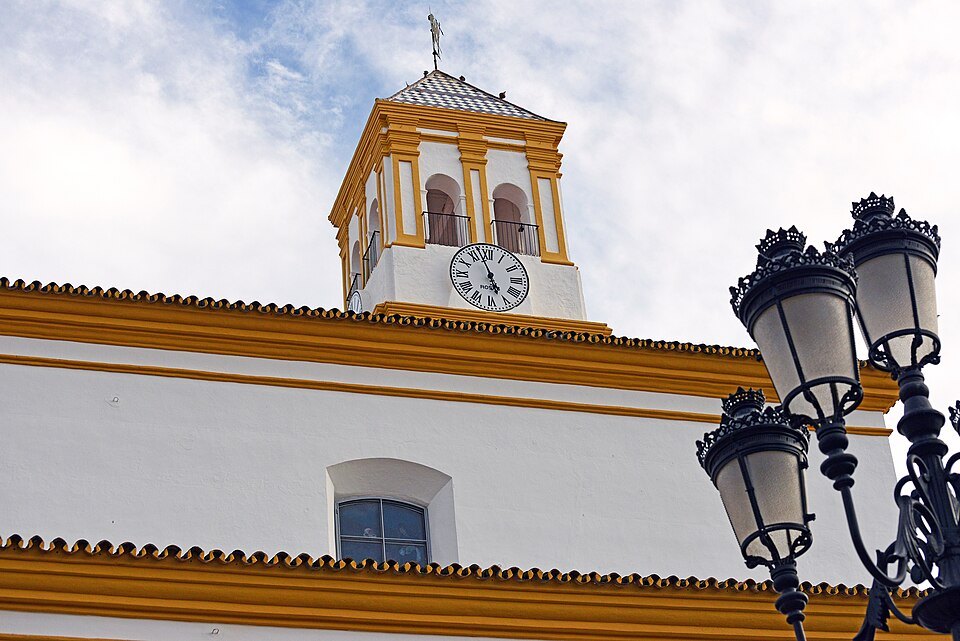
The work was not good. Within a short time the vaults were failing and at least the upper part of the tower had fallen. Repairs followed after the Peninsular War, but problems continued. In 1813 the town council paid for the first clock in the bell tower, bought in England, and in 1902 the clay floor was replaced with marble.
Lost and rebuilt
In 1936, during the burning of churches at the start of the Civil War, the church lost almost all its furnishings and works of art, along with the parish archives, which also held the records of the convents of San Francisco, the Trinidad and San Juan de Dios. Everything was set alight in the crossing, which brought it down. Rebuilding began in 1937 with money and materials given by the people of Marbella, each according to their means, and the roofs were remade in the 1940s.
What to look at
The plan is a basilica with three naves, the central one wider, separated by round arches on cross-shaped piers. The nave and the arms of the crossing have barrel vaults, the semicircular sanctuary a half-dome, and the crossing a dome topped by a small lantern, with Corinthian pilasters running along the nave. The tower has four stages and stands about 50 meters high, capped with a pyramidal spire of colored ceramic tiles and a weathervane in the shape of an angel representing Faith.
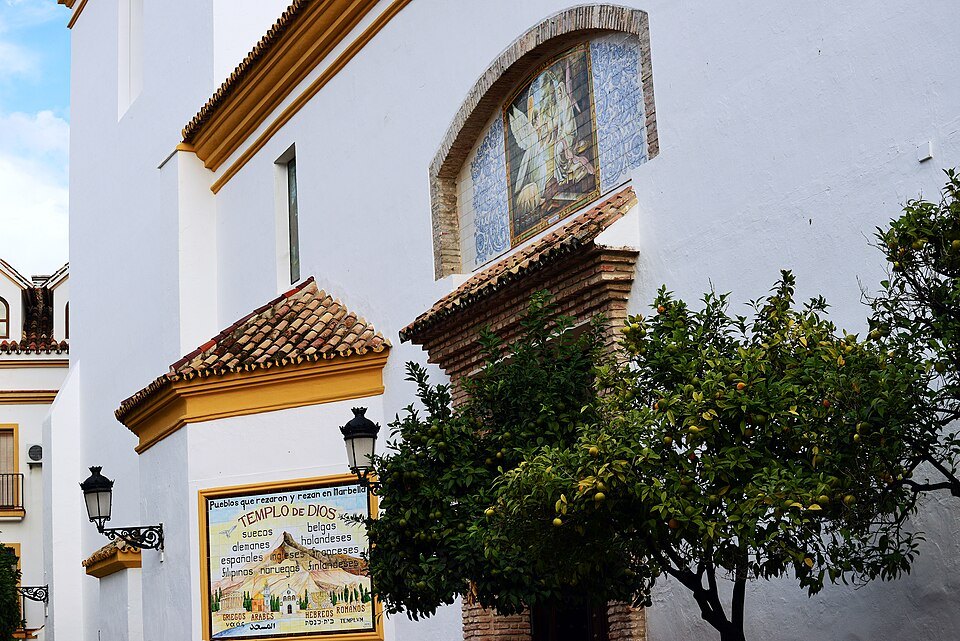
The main doorway is rococo, in red-ocher stone: a many-lobed entrance arch framed by Corinthian columns carved with rocaille, and above it a round window between paired pilasters under a broken pediment. The side door is almost nothing, a temporary flat entrance with a little roof, left for a stone doorway that was never fitted.
Inside, look for the great organ, the Órgano del Sol Mayor, with around 5,000 pipes of tin, copper and wood. It was built from 1972 by the organ makers Gabriel Blancafort and Juan Capella, at the initiative of Michael Reckling and the parish priest Rodrigo Bocanegra, with a front designed by Reckling, and it was finished in 1976. The outside of the church appears in the series Warrior Nun, released on Netflix in 2020.
Sources
- Iglesia de Nuestra Señora de la Encarnación — IAPH, Guía Digital del Patrimonio Cultural de Andalucía
- Iglesia de la Encarnación (Marbella) — Wikipedia (es)